Comparative Politics

Lecture 14: Competition, Populism, and Democratic Erosion

Bogdan G. Popescu

John Cabot University

I. Two Different Problems

The Central Claim

  • Greatest threat: elected leaders dismantling constraints
  • Bridges democracy module with institutions module
  • How do democracies erode from within?

Two Phenomena, Often Confused

  • Competitive authoritarianism (Levitsky & Way, 2010): a regime type
    • Elections are real but the playing field is tilted
    • These regimes were never fully democratic
  • Democratic backsliding: a process
    • Consolidated democracies erode incrementally
    • No clean rupture — legal, step-by-step decline
  • Conflating these is the most common error in casual commentary

Regime Type vs. Process

%%{init: {'theme': 'base', 'themeVariables': {'fontSize': '20px', 'primaryColor': '#4a7c6f', 'primaryTextColor': '#1e293b', 'lineColor': '#334155', 'primaryBorderColor': '#334155'}, 'flowchart': {'useMaxWidth': true, 'nodeSpacing': 50, 'rankSpacing': 70}}}%%
flowchart LR
    A["<b>Competitive<br/>Authoritarianism</b><br/><i>Regime type</i><br/>Never fully democratic"] --- C["<b>Both involve<br/>elections +<br/>unfair competition</b>"]
    B["<b>Democratic<br/>Backsliding</b><br/><i>Process</i><br/>Was democratic,<br/>now eroding"] --- C
    C --> D["<b>But the starting<br/>point differs</b>"]
    style A fill:#fbe9e7,stroke:#b44527,stroke-width:2px
    style B fill:#e8f5e9,stroke:#4a7c6f,stroke-width:2px
    style C fill:#f9fafb,stroke:#334155,stroke-width:2px
    style D fill:#fff3e0,stroke:#b7943a,stroke-width:2px

Building on Lecture 6

From Lecture 6 we know:

  • Democratic backsliding is incremental, not sudden (Bermeo 2016)
  • Executive aggrandizement = modal form (Scheppele 2022)
  • Each step defensible; cumulative effect devastating
  • This lecture: what logic drives it?

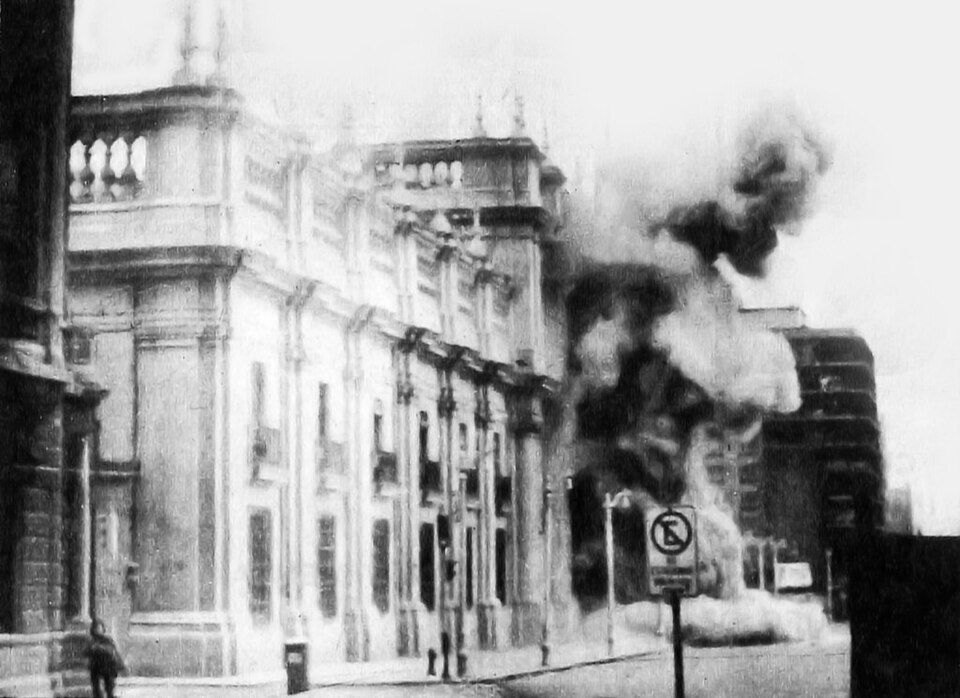
Bombing of La Moneda, Santiago, 1973 — how democracies used to die. Source: Biblioteca del Congreso Nacional de Chile (CC BY 3.0 CL).

Cases at a Glance

  • Competitive authoritarianism: Russia under Putin, Singapore, Cambodia
    • Elections exist but were never free and fair
  • Democratic backsliding: Hungary, Poland, Turkey, Venezuela
    • Democracies that eroded after consolidation
  • Promissory coups: Thailand (2014), Egypt (2013), Myanmar (2021)
    • Military seizure with “restoration” rhetoric
  • Most dangerous today: backsliding — hardest to detect

The Question for This Lecture

  • Not asking: why do regimes hold fake elections?
  • We are asking: Why do some democracies dismantle themselves?
  • What political logic makes this possible?
  • That logic is populism

Exercise 1

Economic or Cultural? (5 min)

Consider two voters who both supported a populist party in 2019:

  • Voter A: A 55-year-old former steelworker in Northern England. His factory closed in 2008. He voted Remain-Labour all his life, then switched to Vote Leave and the Brexit Party. His income fell 30% over a decade.
  • Voter B: A 60-year-old retired dentist in rural Bavaria. Comfortable pension, owns her home. She began supporting the AfD after the 2015 refugee crisis. Her economic situation did not change.

For each voter, which channel — economic or cultural — better explains their populist turn? What observable evidence would confirm your answer? Could both channels operate simultaneously in one person?

II. What Is Populism?

Not a Policy — A Logic

Mudde & Kaltwasser (2017): Populism is a thin ideology.

  • Society divided into two homogeneous, antagonistic groups
  • “The pure people” vs. “the corrupt elite”
  • Politics should express the volonté générale of the people
  • A claim about legitimate authority, not policy
  • Compatible with left and right

Left and Right Populism

  • Left populism: people = dispossessed; elite = oligarchy
    • Chávez, Morales, Podemos, AMLO
  • Right populism: people = native majority; elite = cosmopolitans
    • Orbán, Trump, Le Pen, Salvini
  • Same structure, different content
  • Thin ideology attaches to thicker host ideologies

Populism vs. Pluralism

The real contrast is not left/right but populism vs. pluralism:

Source: Adapted from Mudde & Kaltwasser (2017).
Populism Pluralism
Society One people, one will Multiple legitimate interests
Opposition Enemies of the people Legitimate competitors
Institutions Obstacles if they constrain Necessary checks on power
Compromise Betrayal Essential to governance
Mandate Absolute — elections settle everything Partial — rights constrain majorities

Why Populism Is Not Just “Angry Voters”

  • Economic grievance ≠ populism
  • You can be economically frustrated and still accept pluralism
  • Populism = political logic attaching to many grievances
  • What makes it distinctive: the rejection of institutional constraints
  • Courts, central banks, media → not “checks” but “elite capture”

The Elective Affinity with Erosion

  • If “the people” have one true will…
  • And you claim to represent that will…
  • Then any institution that blocks you is illegitimate by definition
  • Courts → “activist judges blocking the people’s will”
  • Media → “fake news serving elite interests”
  • Electoral commissions → “deep state undermining democracy”
  • Constraining the executive becomes the anti-democratic act

Populist Logic → Erosion Feedback Cycle

%%{init: {'theme': 'base', 'themeVariables': {'fontSize': '18px', 'primaryColor': '#4a7c6f', 'primaryTextColor': '#1e293b', 'lineColor': '#334155', 'primaryBorderColor': '#334155'}, 'flowchart': {'useMaxWidth': true, 'nodeSpacing': 40, 'rankSpacing': 55}}}%%
flowchart LR
    A["<b>Electoral victory</b><br/>claimed as<br/>the people's mandate"] --> B["<b>Institutions framed</b><br/>as elite obstacles"]
    B --> C["<b>Constraints weakened</b><br/>courts packed, media<br/>pressured, rules changed"]
    C --> D["<b>Opposition disadvantaged</b><br/>playing field tilted"]
    D --> E["<b>Next victory larger</b><br/>mandate 'confirmed'"]
    E --> A
    style A fill:#e8f5e9,stroke:#4a7c6f,stroke-width:2px
    style B fill:#fff3e0,stroke:#b7943a,stroke-width:2px
    style C fill:#fbe9e7,stroke:#b44527,stroke-width:2px
    style D fill:#fbe9e7,stroke:#b44527,stroke-width:2px
    style E fill:#e8f5e9,stroke:#4a7c6f,stroke-width:2px

The Populist Redefinition of Institutions

  • Pluralism: checks protect everyone, including minorities
  • Populism: checks protect elites from the people
  • Same institutions, opposite interpretations
  • Legitimacy only from popular mandate
  • Judicial independence, press freedom → suspect
  • “I am finally making democracy real
  • Populism and erosion: logically connected

III. Why Now?

The Populist Wave

  • Populist surge across democracies in the 2010s
  • Not one region, ideology, or grievance
  • Europe, Latin America, Asia, the US
  • Why did this happen when it did?
  • Four explanations compete; none has won
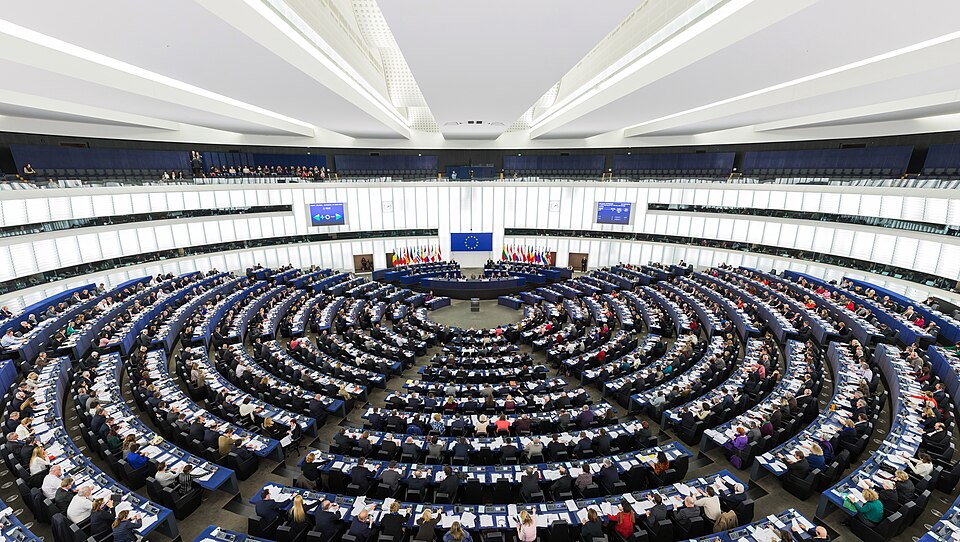
European Parliament hemicycle, Strasbourg. Source: Diliff, Wikimedia Commons (CC BY-SA 3.0).

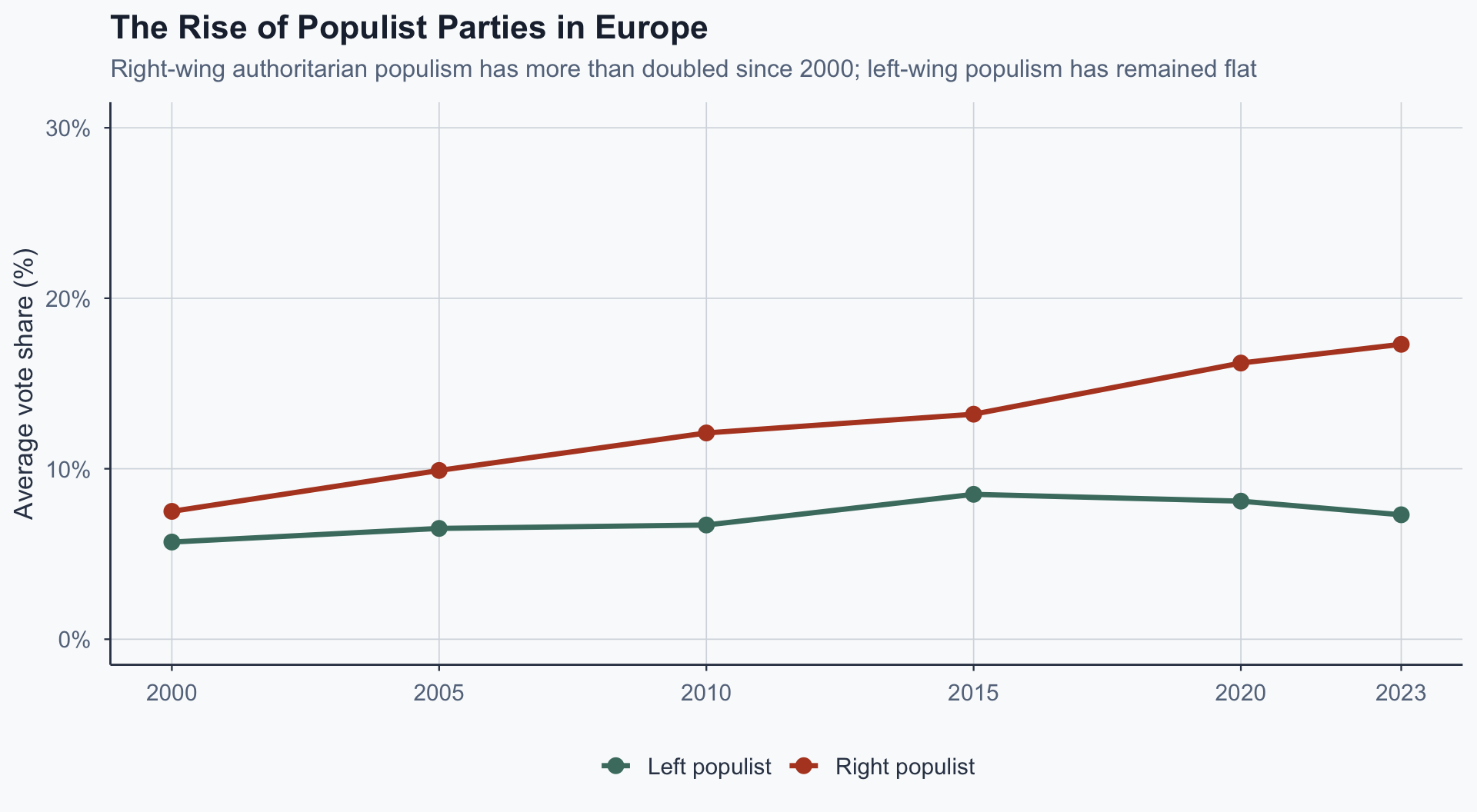
Populist Vote Share in Europe

Figure 1: Mean populist party vote share across European democracies. Source: Timbro Authoritarian Populism Index (2024).

Four Competing Explanations

Source: Framework draws on Inglehart & Norris (2016), Mudde & Kaltwasser (2017).
Explanation Mechanism Key prediction
Economic insecurity Globalization losers, deindustrialization, 2008 crisis Populist support concentrated among economically displaced
Cultural backlash Status threat from immigration, value change, secularism Strongest among older, culturally traditional voters
Elite failure Party convergence, cartelization, no meaningful choice Strongest where mainstream parties most similar
Media ecology Algorithmic amplification, epistemic fragmentation Correlates with social media penetration

A Provisional Thesis

  • Dominant debate: economic vs. cultural — but either/or misleads
  • Cultural threat does more in wealthy democracies
  • Economic dislocation drives it in trade-exposed peripheries
  • Mechanism depends on context
  • Next two slides test this claim

Trying to Disentangle: Two Key Studies

  • Colantone & Stanig (2018): import shock → populist vote
    • Economic channel confirmed in periphery
  • Mutz (2018): status threat predicts Trump support (panel data)
    • Cultural channel confirmed in wealthy democracies
  • Not contradictory — different contexts
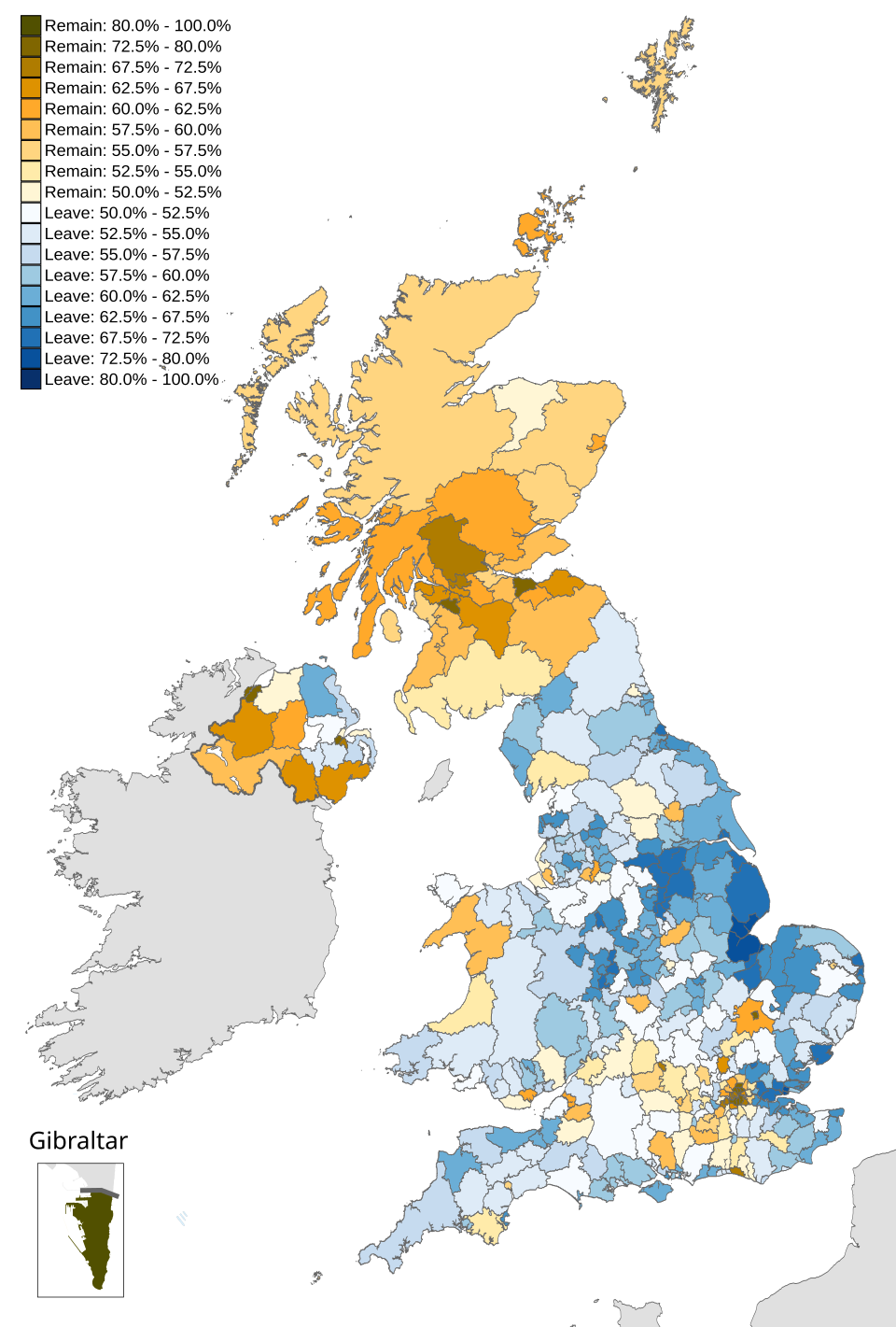
Brexit referendum results (2016). Blue = Remain, gold = Leave. Deindustrialized regions voted Leave. Source: Wikimedia Commons (CC BY-SA 3.0).

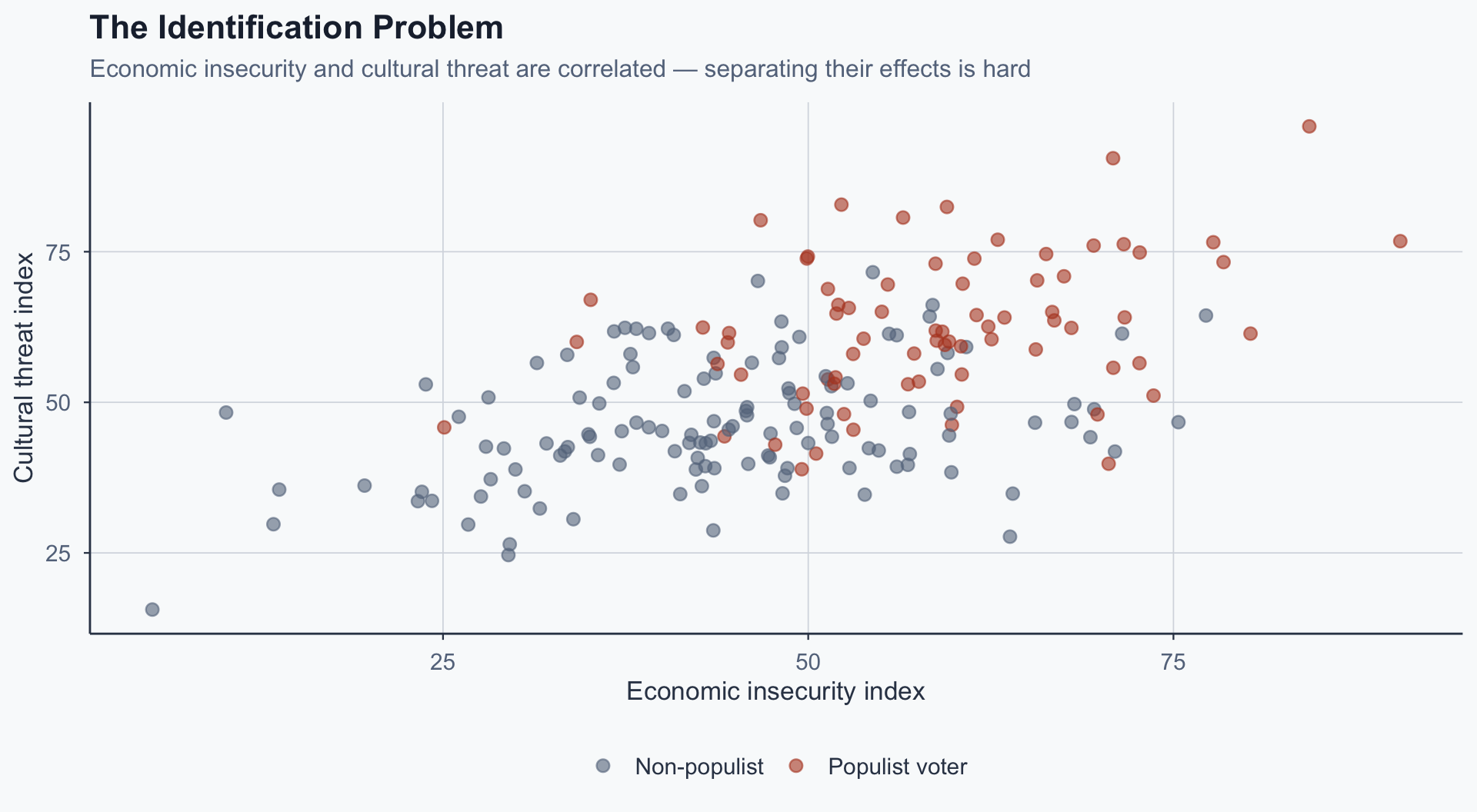
The Identification Problem

Figure 2: Conceptual illustration: economic and cultural explanations predict overlapping populations.

Why the Cause Matters for Policy

  • If economic → redistribute and the populist wave recedes
  • If cultural → redistribution alone will not suffice
  • Both channels real, but dominate in different contexts
  • Deindustrialized Europe: trade shocks do causal work
  • Wealthy democracies: status threat matters more
  • No single policy lever — that is the finding
  • Wrong cause → wrong policy

Exercise 2

The Falsifiability Challenge (5 min)

Pick the explanation you find most compelling:

  1. Economic insecurity
  2. Cultural backlash
  3. Elite failure
  4. Media ecology

Now: What observable implication would distinguish your explanation from the others? What evidence would definitively falsify it?

This is where the course’s methodological commitments have real bite.

IV. Populism and Institutional Erosion

Ginsburg & Huq: Constitutional Retrogression

Ginsburg & Huq (2018): three pillars of liberal democracy under attack:

  1. Competitive elections — gerrymandering, media capture, electoral rule changes
  2. Liberal rights — press freedom curtailed, civil society squeezed, minority rights eroded
  3. Rule of law — court packing, prosecutorial independence eliminated, constitutional amendments
  • Retrogression = systematic degradation across all three
  • Each step is individually small and legal

Three Pillars Under Attack

%%{init: {'theme': 'base', 'themeVariables': {'fontSize': '18px', 'primaryColor': '#4a7c6f', 'primaryTextColor': '#1e293b', 'lineColor': '#334155', 'primaryBorderColor': '#334155'}, 'flowchart': {'useMaxWidth': true, 'nodeSpacing': 40, 'rankSpacing': 55}}}%%
flowchart TD
    A["<b>Liberal Democracy</b>"] --> B["<b>Competitive<br/>Elections</b>"]
    A --> C["<b>Liberal<br/>Rights</b>"]
    A --> D["<b>Rule of<br/>Law</b>"]
    B --> B1["Gerrymandering"]
    B --> B2["Media capture"]
    B --> B3["Electoral rule changes"]
    C --> C1["Press freedom curtailed"]
    C --> C2["Civil society squeezed"]
    C --> C3["Minority rights eroded"]
    D --> D1["Court packing"]
    D --> D2["Prosecutors politicized"]
    D --> D3["Constitutional rewrites"]
    style A fill:#e8f5e9,stroke:#4a7c6f,stroke-width:3px
    style B fill:#fff3e0,stroke:#b7943a,stroke-width:2px
    style C fill:#fff3e0,stroke:#b7943a,stroke-width:2px
    style D fill:#fff3e0,stroke:#b7943a,stroke-width:2px
    style B1 fill:#fbe9e7,stroke:#b44527,stroke-width:1px
    style B2 fill:#fbe9e7,stroke:#b44527,stroke-width:1px
    style B3 fill:#fbe9e7,stroke:#b44527,stroke-width:1px
    style C1 fill:#fbe9e7,stroke:#b44527,stroke-width:1px
    style C2 fill:#fbe9e7,stroke:#b44527,stroke-width:1px
    style C3 fill:#fbe9e7,stroke:#b44527,stroke-width:1px
    style D1 fill:#fbe9e7,stroke:#b44527,stroke-width:1px
    style D2 fill:#fbe9e7,stroke:#b44527,stroke-width:1px
    style D3 fill:#fbe9e7,stroke:#b44527,stroke-width:1px

Applying the Framework: Hungary

Mapping Lecture 6 (Scheppele) to Ginsburg & Huq:

  • Elections: rules redrawn (2014); media captured
  • Rights: NGO law (2017); CEU forced out
  • Rule of law: court packed (2012–13); new constitution
  • All three pillars degraded — textbook retrogression
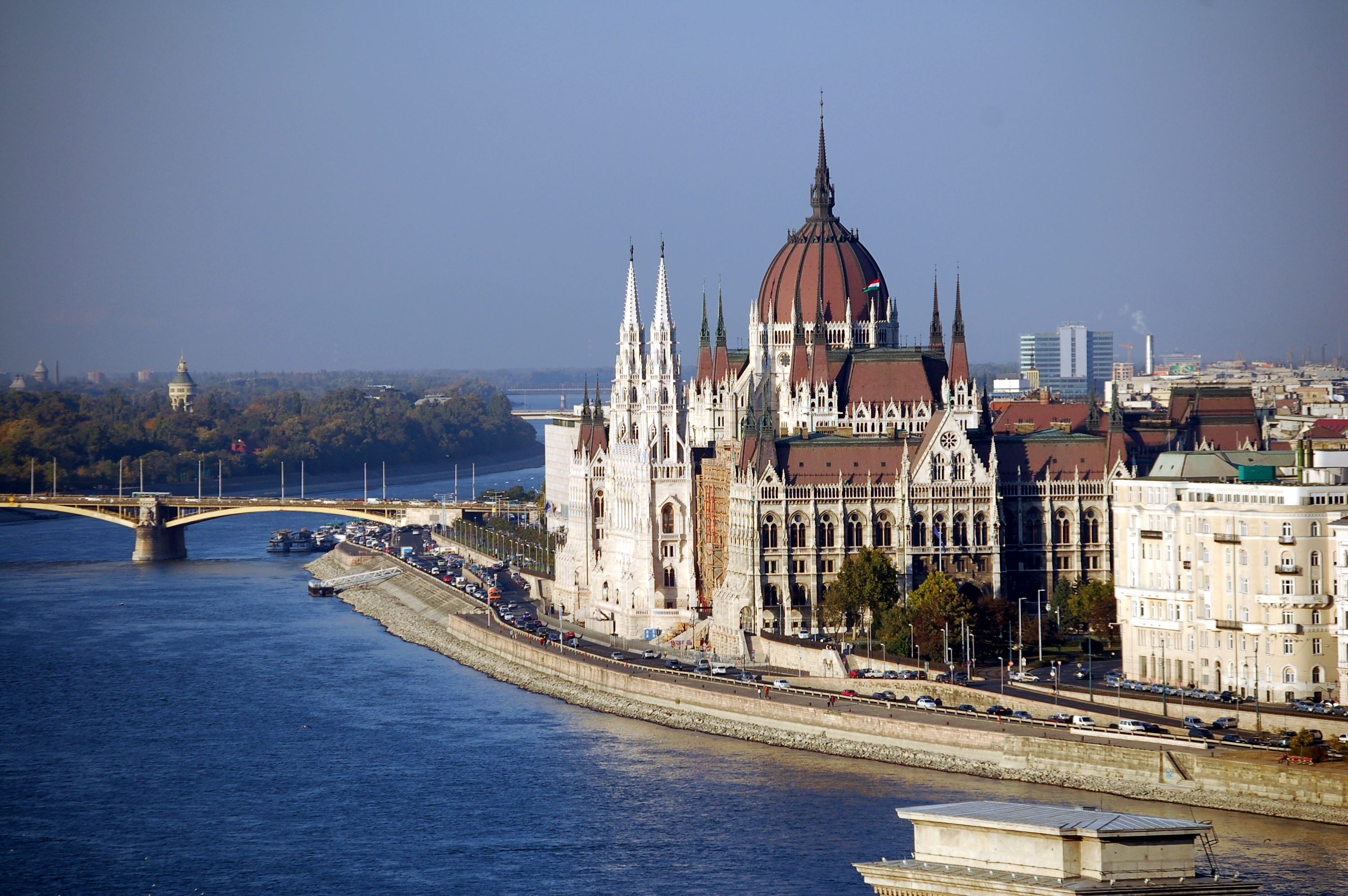
Hungarian Parliament, Budapest. Source: Wikimedia Commons (CC BY-SA 3.0).

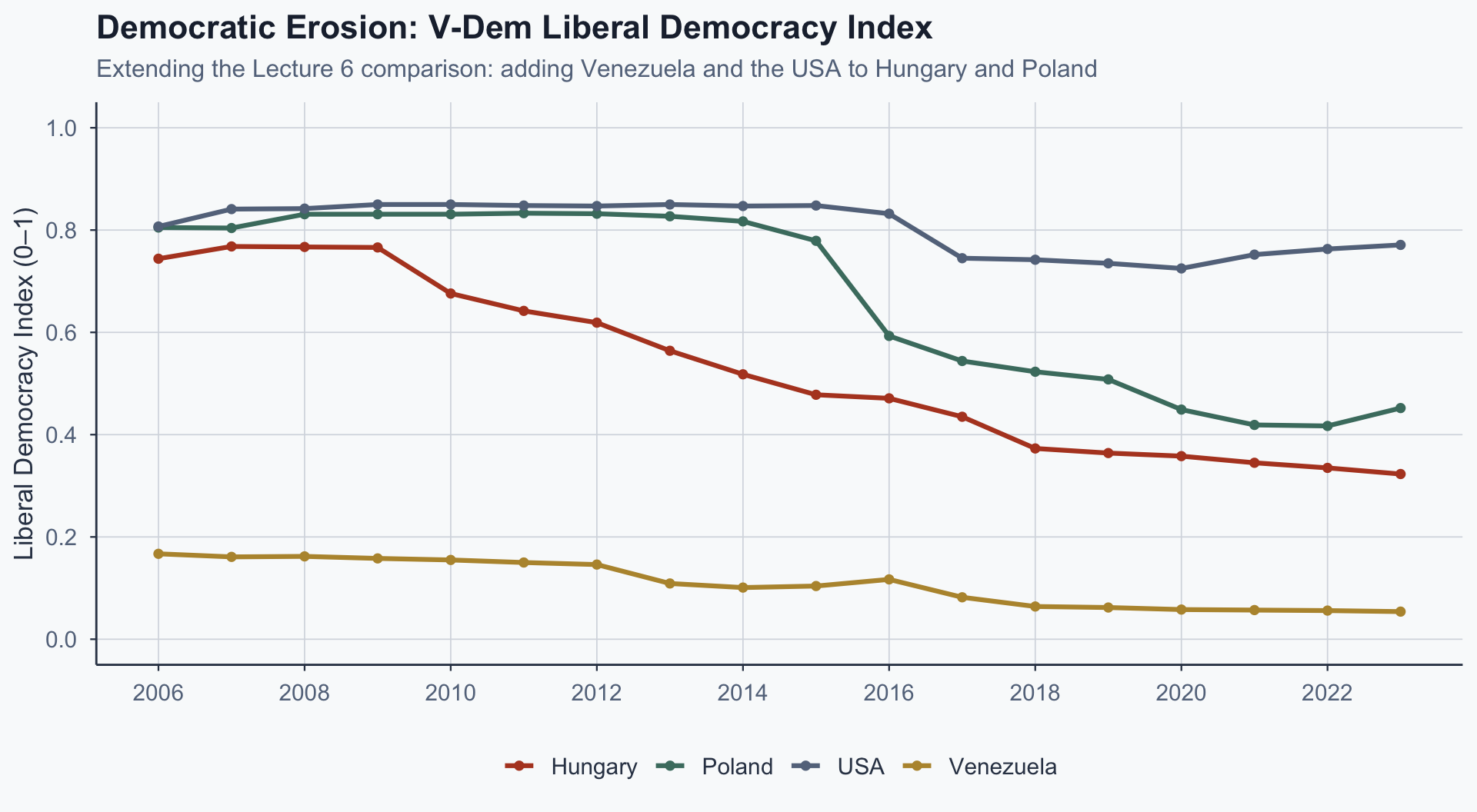
V-Dem Liberal Democracy Index

Figure 3: V-Dem Liberal Democracy Index (v2x_libdem, 0–1). Source: V-Dem Institute, Dataset v14.

Case: Venezuela Under Chávez

  • 1998: Chávez elected in a real democracy
  • 1999–2004: New constitution, court packed (20 → 32)
  • Media pressured; oil-funded patronage → dominance
  • By 2010: competitive authoritarianism

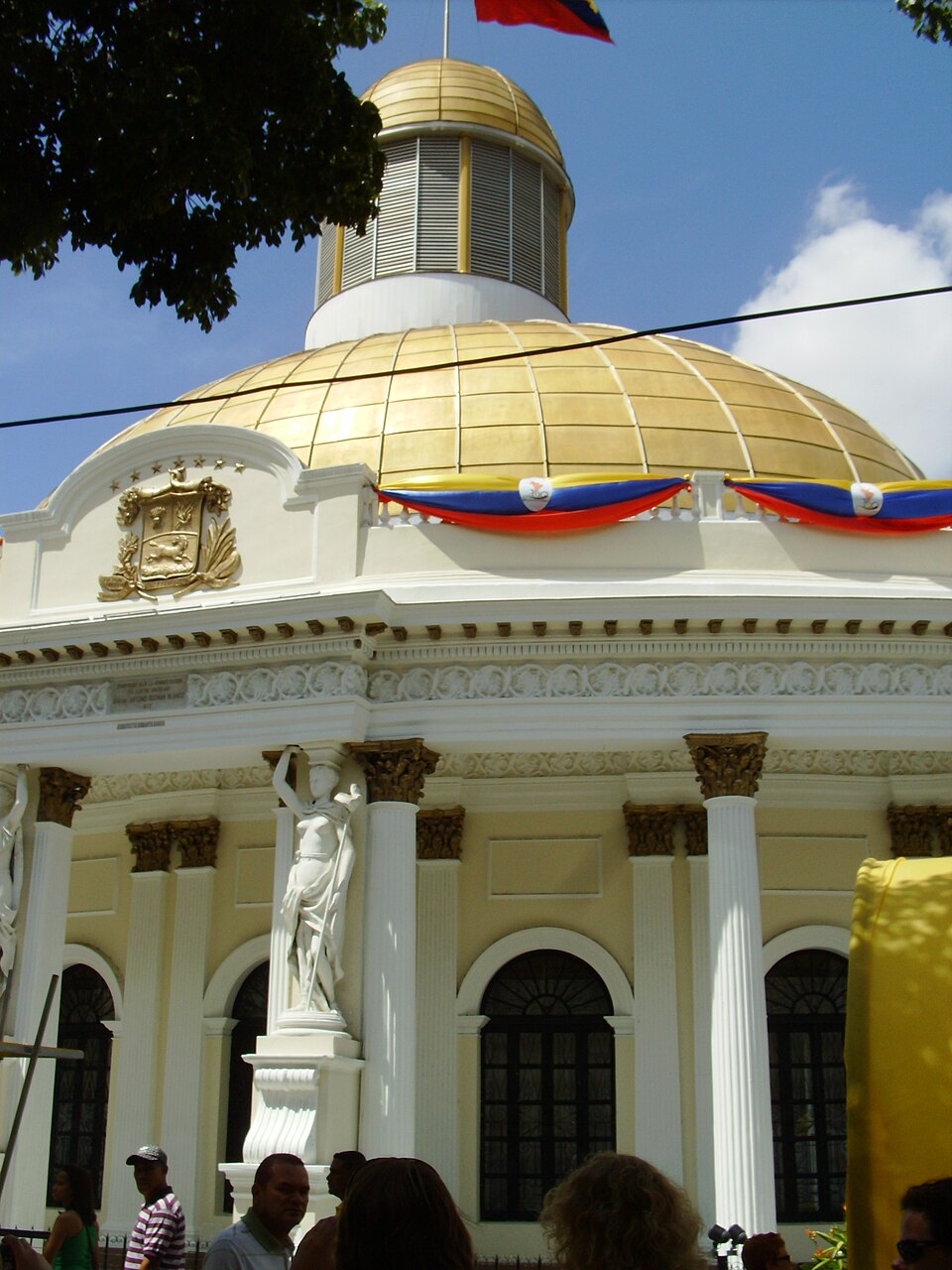
Capitolio Federal, Caracas — seat of the National Assembly. Source: Wikimedia Commons (CC BY-SA 3.0).

Venezuela: The Oil-Fueled Variant

  • Resource rents → no tax-based accountability
  • Patronage replaced party competition
  • Opposition boycotted 2005 elections → legitimacy gift
  • Under Maduro: full authoritarian consolidation
  • Same logic as Hungary + resource-curse dynamics
  • Populist erosion not confined to one ideology

Case: Mexico Under AMLO

  • 2018: AMLO wins with 53%; Morena supermajority 2024
  • Elections: INE budget cut, board politicized
  • Rights: military in civilian roles; press pressured
  • Rule of law: 2024 reform → popular election of judges
  • INAI (transparency body) left non-functional
  • Framed as “returning power to the people”
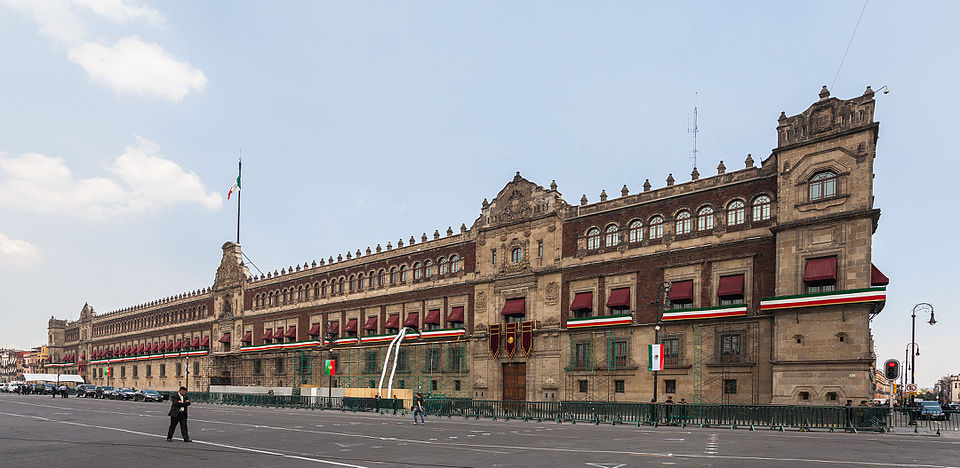
National Palace, Mexico City — seat of the executive. Source: Diego Delso, Wikimedia Commons (CC BY-SA 3.0).

Comparing the Cases

Source: Author’s summary based on Ginsburg & Huq (2018), Levitsky & Way (2010), and V-Dem data.
Hungary Venezuela Mexico
Starting point EU democracy Petrostate democracy Post-transition democracy
Populist type Right Left Left
Key mechanism Constitutional rewrite Court packing + oil Popular election of judges
Speed Fast (2 years) Gradual (10 years) In progress
Current status Competitive auth. Full authoritarian Contested

Mexico’s novelty: Hungary/Venezuela packed courts. Mexico mandates popular election of judges — redefining independence as accountability. No prior case attempted this.

Exercise 3

Applying the Framework (7 min)

Using Ginsburg & Huq’s three pillars, evaluate Mexico under AMLO/Morena:

  1. Competitive elections: What changed? What was threatened?
  2. Liberal rights: Which rights or freedoms were affected?
  3. Rule of law: What happened to judicial independence?

Is this retrogression, democratic deepening, or something else? What evidence would you need to decide?

V. Cause or Symptom?

Cause or Symptom? Why It Matters

  • Populism: cause or symptom of erosion?
  • Epiphenomenal: fix delivery → populism recedes
  • Causal: populist logic is itself a mechanism
  • If symptom → policy reform suffices
  • If causal → constitutional design matters directly
  • Different prescriptions; getting it wrong is costly

The Evidence — and What Sharpens It

  • Hungary: institutions worked before Fidesz → causal
  • Venezuela: institutions weak before Chávez → epiphenomenal
  • Two cases alone don’t settle it
  • Poland breaks the tie — next slide

Poland as Natural Experiment

  • Before (2015–2023): PiS packed courts, captured media
    • V-Dem LDI: 0.83 → 0.42
  • After (2023–): Tusk coalition won
    • Same economy, demographics, EU membership
  • What changed? Only the government
  • Judicial independence, media pluralism being restored
  • If erosion = structural → government change can’t reverse
  • But it did → populist logic is causally independent
  • Closest thing to a natural experiment on populism

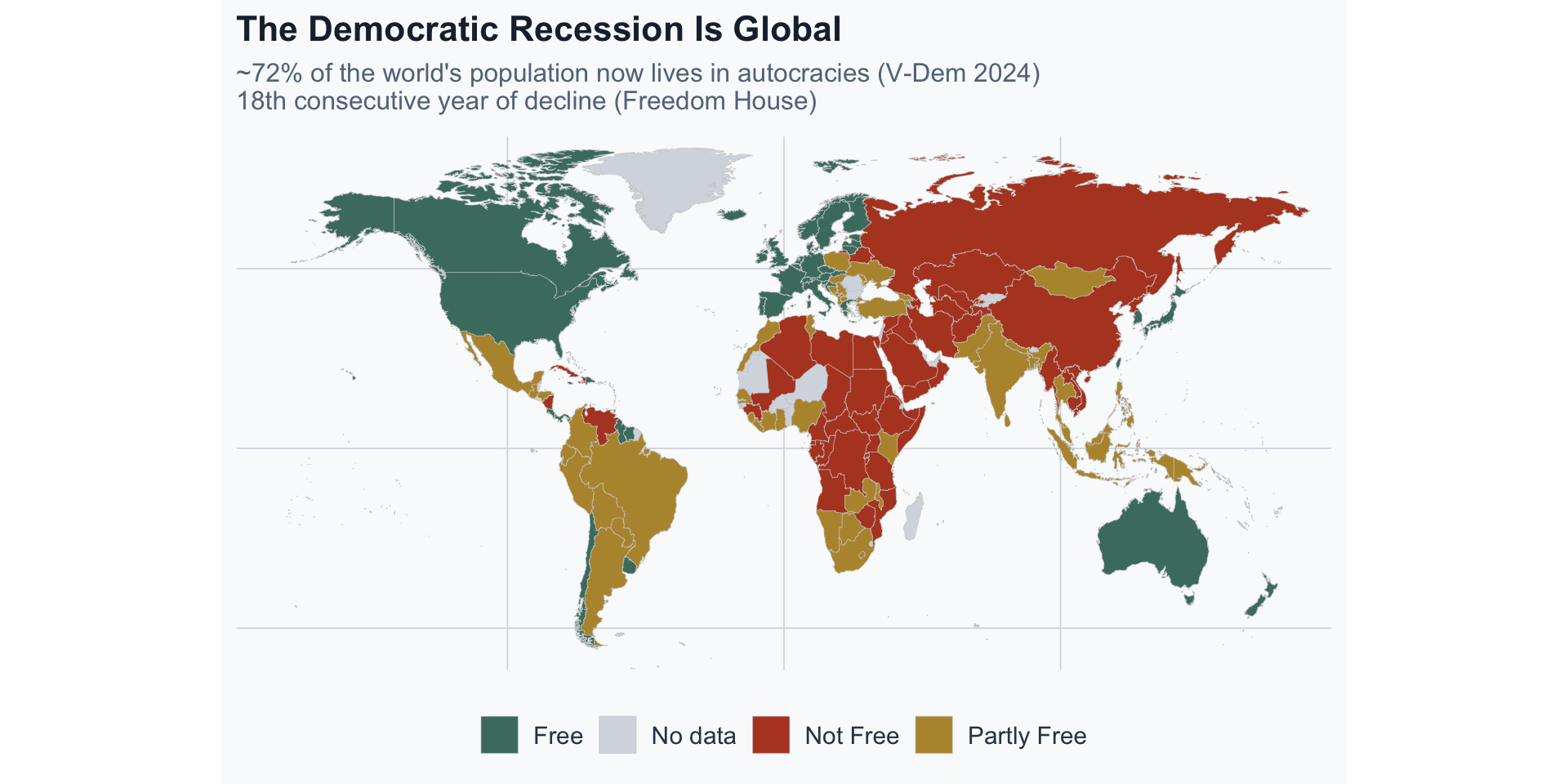
The Democratic Recession in Numbers

Figure 4: Approximate global freedom status. Source: Simplified classification based on Freedom House (2024).

Conclusion

  • Competitive authoritarianism ≠ democratic backsliding
  • Populism = thin ideology rejecting institutional constraints
  • Cultural threat dominates in wealthy democracies; economic dislocation in peripheries
  • Ginsburg & Huq: erosion attacks elections, rights, rule of law
  • Poland’s reversal → populist logic is causally independent
  • Mexico’s judicial reform → a genuinely novel erosion form

Closing Question

If populism is a logic that redefines institutional checks as elite capture, and if this logic is compatible with winning democratic elections — what institutional design, if any, can protect democracy from its own voters?

References

  • Bermeo, N. (2016). On democratic backsliding. Journal of Democracy, 27(1), 5–19.
  • Colantone, I. & Stanig, P. (2018). The trade origins of economic nationalism: Import competition and voting behavior in Western Europe. American Journal of Political Science, 62(4), 936–953.
  • Ginsburg, T. & Huq, A.Z. (2018). How to Save a Constitutional Democracy. Chicago: University of Chicago Press.
  • Inglehart, R. & Norris, P. (2016). Trump, Brexit, and the rise of populism: Economic have-nots and cultural backlash. HKS Working Paper No. RWP16-026.
  • Levitsky, S. & Way, L.A. (2010). Competitive Authoritarianism: Hybrid Regimes After the Cold War. Cambridge: Cambridge University Press.
  • Mudde, C. & Kaltwasser, C.R. (2017). Populism: A Very Short Introduction. Oxford: Oxford University Press.
  • Mutz, D.C. (2018). Status threat, not economic hardship, explains the 2016 presidential vote. Proceedings of the National Academy of Sciences, 115(19), E4330–E4339.
  • Scheppele, K.L. (2018). Autocratic legalism. University of Chicago Law Review, 85(2), 545–583.